
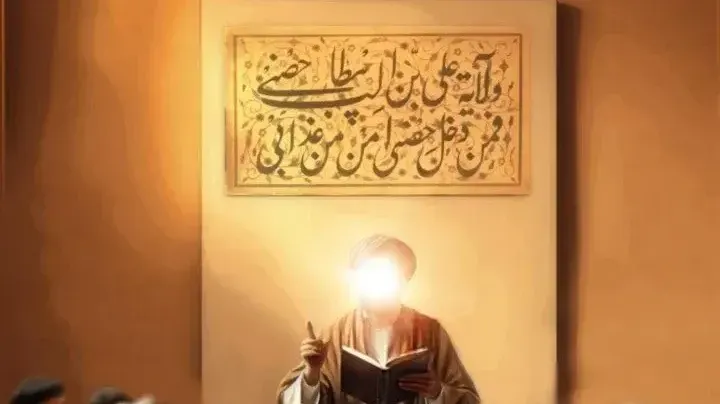
The Currency of Leadership: Imam Ali’s (AS) Wisdom on Trust
Imam Ali (AS) teaches that leadership without trust is empty authority — and betrayal of trust destroys the foundation of any community.

Imam Ali (AS) teaches that leadership without trust is empty authority — and betrayal of trust destroys the foundation of any community.
Use the journey to return to the wisdom repository first, then continue through narration, relevance, reflection, and conclusion.
Reading Progress
0% complete
9 min read
Estimated reading time
Explanation
Start here if you came to understand the meaning and context before moving into the original wording.
Main Explanation
Imam Ali clearly establishes that trust is not optional — it is sacred (Amanah). When someone trusts you — whether in leadership, friendship, family, or work — they are placing responsibility on you, not giving you a compliment. Breaking that trust is not a small mistake. It destroys: 1.dignity (worldly + spiritual) 2.credibility 3.leadership authority itself Imam Ali (AS) makes it clear: Leadership without trust is not leadership — it is disguised failure.
Detailed Explanation
What does this wisdom actually mean? Imam Ali (AS) is not talking about trust as a social courtesy — he is defining it as a moral contract. When someone trusts you, they are not praising you. They are handing you responsibility + vulnerability together. 1. Trust is a responsibility, not a compliment When a person trusts you, they expose something valuable: *A friend shares a secret → vulnerability *A teacher assigns responsibility → dependence *A leader gives authority → accountability *A family member relies on you → emotional safety Imam Ali (AS) is saying: 👉 This vulnerability is Amanah (sacred trust), not casual interaction. Betraying it is not “mistake behavior” — it is breaking a sacred contract. 2.Betrayal has multiple forms (Khiyanah is wide) Betrayal is not only lying. It includes: *Breaking promises intentionally *Leaking private information *Misusing authority or power *Ignoring responsibilities you accepted *Acting differently than what you committed *Using someone’s trust against them later Even “small betrayals” accumulate into character damage. 👉 Imam Ali (AS) is warning: trust doesn’t break in one moment — it erodes step by step. 3. Consequences are both worldly and spiritual Imam Ali (AS) mentions: *Dhull (ذل) → humiliation, loss of dignity *Faqr (فقر) → poverty, emptiness, loss of value This is not only financial poverty. It means: *loss of respect *loss of credibility *loss of inner peace *loss of standing before Allah Even if betrayal gives short-term benefit, long-term outcome is collapse of trust identity. 4. Trustworthiness is a fixed identity, not a temporary behavior Second narration explains a deeper principle: If you betray trust once, you damage your entire trust identity Meaning: *Trust is not “situational” *It is a pattern-based character trait People don’t judge you by one action — they judge whether you are generally safe to rely on or not 👉 Once that image breaks, it is very hard to restore. 5. Authority without trust becomes meaningless Imam Ali (AS) is also redefining leadership: *Power without trust = control *Trust without power = respect *Power + trust = true leadership Without trust: *followers obey out of fear *systems collapse over time *leadership becomes tyranny or performance With trust: *leadership becomes stable, respected, and lasting
Tafseer
Trust is also an Amanah from Allah. Allah entrusts: people opportunities power knowledge So when you betray someone’s trust, you are indirectly breaking a trust with Allah. Qur’an reinforces this principle: “Indeed, Allah commands you to return trusts to their rightful owners.” (4:58)
Historical Context
During Imam Ali’s caliphate, the Muslim world was full of broken alliances and civil conflict. In this chaos, he repeatedly emphasized trust because: society was collapsing due to betrayal political leadership lacked integrity unity depended on moral honesty His governance (including guidance to Malik al-Ashtar) was built on one principle: 👉 Power without trust = instability
Supporting Narration
Quote cardآيَةُ الْمُنَافِقِ ثَلَاثٌ: إِذَا حَدَّثَ كَذَبَ، وَإِذَا وَعَدَ أَخْلَفَ، وَإِذَا اؤْتُمِنَ خَانَ
منافق کی تین نشانیاں ہیں: جب بات کرے تو جھوٹ بولے، جب وعدہ کرے تو وعدہ توڑ دے، اور جب اسے امانت دی جائے تو خیانت کرے۔
“The sign of a hypocrite is three: when he speaks, he lies; when he promises, he breaks it; and when he is entrusted, he betrays that trust.”
Narrator
1. Prophet Muhammad (PBUH)
Source
Sahih al-Bukhari / Sahih Muslim Narrator: Abu Hurairah (RA)
Explanation
This hadith directly connects betrayal of trust with hypocrisy. It shows that amanah is not a small moral trait — it is a core part of faith itself. Connection Imam Ali (AS) expands this idea by explaining the consequences of betrayal: humiliation and loss in the Hereafter.
Supporting Narration
Quote cardلَا تَكُنْ مِمَّنْ يَأْتَمِنُهُ النَّاسُ عَلَى دِينِهِمْ وَدُنْيَاهُمْ فَيَخُونُ
ان لوگوں میں سے مت ہو جن پر لوگ اپنے دین اور دنیا کے معاملات میں اعتماد کریں، اور پھر وہ خیانت کریں۔
“Do not be among those whom people trust with their religion and worldly affairs, and then they betray that trust.”
Why This Matters Today
Today, trust is collapsing in: *politics (broken promises) *corporations (fraud, scandals) *institutions (loss of credibility) *relationships (betrayal culture) Result: *anxiety *loneliness *lack of belief in systems Imam Ali’s teaching becomes an antidote: 👉 Be the person who restores trust in a broken world.
Youth Relevance
For youth, the teaching becomes about identity, reputation, and digital behavior in modern life. 1. Your digital behavior = modern trust system In today’s world, betrayal doesn’t need physical presence: *leaking chats *screenshotting private talks *exposing friends online *breaking DM trust 👉 This is modern “khiyanah” (betrayal of trust) Imam Ali’s principle applies: If people cannot trust your private side, your public image becomes weak. 2. Reputation is your real currency Youth today operate in: *social media *networking *peer groups In this system: 👉 trust = influence 👉 trust = respect 👉 trust = opportunities Once trust breaks: *followers may stay, but respect leaves *friends may stay, but loyalty disappears 3. Emotional trust is the deepest layer Young people often face: *fake friendships *attention-based relationships *conditional loyalty Imam Ali (AS) teaches: 👉 real strength is being someone who does NOT exploit emotional trust That means: *not using people for status *not switching loyalty for benefit *not pretending friendship for gain 4. Identity vs image Youth struggle between: *how they appear online *who they actually are This wisdom pushes one idea: 👉 “Be the same person in private and public” Because broken internal identity = broken external trust.
Student Relevance
For students, Imam Ali’s (AS) teaching on trust is directly connected to discipline, honesty, and academic responsibility. 1. Academic trust is real trust When a student: *submits assignments *appears in group projects *takes exams They are being trusted by: *teachers *institutions *classmates 👉 Cheating, copying, or free-riding is not “just academic shortcut” It is a breach of amanah (trust). 2. Group work = shared responsibility system In student life: *one lazy member affects the whole team *one broken promise ruins group performance Imam Ali’s (AS) principle applies directly: 👉 If you take responsibility and fail silently, you damage trust permanently. 3. Small habits shape future credibility Students often ignore “small things” like: *missing deadlines *not doing assigned parts *lying about submissions But these small actions build identity: 👉 “reliable student” OR “unreliable student” And that identity carries into: *internships *jobs *leadership roles 4. Self-betrayal is the hidden issue Cheating or shortcuts don’t just affect others: 👉 they teach your own mind that you cannot succeed honestly This creates long-term dependency on shortcuts instead of skill.
Reflection Questions
Question 1
1.Who trusts me right now?
Question 2
2.Have I broken trust before and ignored it?
Question 3
3.Do I keep small promises seriously?
Question 4
4.Would I trust someone like me?
Question 5
5.Is my word consistent?
Action Steps
Daily Habits
1. Keep one promise every day
Summary & Key Takeaways
Trust is not a social skill — it is a moral identity. A person either: *Builds trust continuously or *Destroys it slowly There is no neutral position.
Closing Reflection
Final thought
“O Allah, make us among those who guard trust like a sacred responsibility. Forgive us for every broken promise, every forgotten duty, every betrayed trust. Make our word truthful, our actions consistent, and our hearts pure. Ameen.” Arabic: اللَّهُمَّ اجْعَلْنَا مِنَ الَّذِينَ يَحْفَظُونَ الْأَمَانَةَ كَمَسْؤُولِيَّةٍ مُقَدَّسَةٍ. وَاغْفِرْ لَنَا كُلَّ وَعْدٍ مَكْسُورٍ، وَكُلَّ وَاجِبٍ مَنْسِيٍّ، وَكُلَّ أَمَانَةٍ مُخْتَلَسَةٍ. وَاجْعَلْ كَلِمَتَنَا صَادِقَةً، وَأَعْمَالَنَا مُسْتَقِيمَةً، وَقُلُوبَنَا طَاهِرَةً. آمِين.
Narrator
Imam Ali (AS)
Source
Nahjul Balagha — Saying No. 428
Explanation
This narration expands the responsibility of trust: people don’t just trust you with small things — they trust you with their entire lives (deen + dunya). Betrayal here is total collapse of responsibility. Connection The main wisdom focuses on outcome (humiliation), while this narration focuses on preventing betrayal before it happens.
Supporting Narration
Quote cardأَدَاءُ الْأَمَانَةِ مِفْتَاحُ الرِّزْقِ
امانت کو ادا کرنا رزق کی کنجی ہے۔
“Fulfilling trust is the key to sustenance (rizq).”
Narrator
Imam Ja’far al-Sadiq (AS)
Source
Al-Kafi — Vol. 5, Hadith 7
Explanation
Trustworthiness is not only spiritual — it directly impacts worldly success. People naturally rely on those who are honest and reliable. Connection While Imam Ali (AS) shows the spiritual consequence of betrayal, Imam Ja’far (AS) shows the worldly reward of trustworthiness.
Practical Response
Daily *Keep 1 promise daily *Guard every secret *Avoid over-promising Weekly *Audit your promises *Repair broken trust *Learn from trustworthy people Remove *excuses *overcommitment *gossip culture Add *under-promise, over-deliver *written commitments *accountability mindset
Choose one small commitment daily (message, task, help) and complete it fully. This builds trust muscle.
2. Secret protection test
If someone shares something personal with you, do NOT forward, hint, or discuss it. Treat silence as success.
3. Morning intention
Start your day with a mindset:
“Today I will not betray any trust placed in me — big or small.”
4. Evening accountability check
Before sleeping, ask:
*Did I break any promise today?
*Did I protect every trust given to me?
*If not, how will I fix it tomorrow?
Weekly Habits
1. Promise audit
List all promises made during the week:
*kept
*delayed
*broken
Then fix or complete pending ones.
2. Trust repair action
If you broke trust:
*admit it clearly
*don’t justify
*ask how to repair
3. Observe role models
Watch someone trustworthy:
*how they speak
*how they handle secrets
*how they manage responsibility
Copy behavior, not just advice.
*Remove (Stop These Behaviors)
*Over-promising without thinking
*Sharing private information casually
*Making excuses for missed commitments
Add (Build These Habits)
*Say “I will try” instead of fake yes
*Confirm important commitments in writing
*Think before speaking sensitive info
Personal Reflection
Journal space
“I understand that trust is not just a social expectation — it is a moral responsibility and an Amanah from Allah. Every time someone trusts me, they are giving me a part of their safety, their confidence, and their belief in me. I recognize that breaking that trust is not small — it damages my character and my relationship with Allah. I commit to becoming someone whose word is stable, whose actions are consistent, and whose presence is safe for others. I will not treat promises lightly. I will not treat secrets casually. I will not treat responsibilities as optional. O Allah, make me among those who are trustworthy in Your sight and in the eyes of people. Forgive my past mistakes in fulfilling trust and guide me to better character. Ameen.”
Interactive Reflection
0/39 steps completeGuided Question
1.Who trusts me right now?
Related #2